
Skins
BloxStrike skin rarities, patterns and wear explained — Blue Mil-Spec through Gold knives and gloves, plus what moves in the trading scene.
Introduction
BloxStrike cosmetics run on a five-tier rarity system borrowed from classic shooter skin economies: Blue Mil-Spec fills the base of every case drop, Purple Restricted starts to turn heads, Pink Classified and Red Covert are the finishes traders chase, and the Gold specials — knives and gloves — are the jackpot that keeps case videos alive. Beyond rarity, value comes from patterns, wear condition and float values: two skins of the same tier can differ wildly in price because one has a rare pattern or a Factory New float. This section explains each rarity, the factors that move prices, and how the trading system rewards players who understand the difference between a common drop and a genuine collectible.
Skin Rarity & Value Reference
| Rarity | Quality | Drop Frequency | Value Signal |
|---|---|---|---|
| Blue | Mil-Spec | Most common | Low — case filler base |
| Purple | Restricted | Common | Mid — noticed by traders |
| Pink | Classified | Uncommon | High — heavily chased |
| Red | Covert | Rare | Very high — serious trade value |
| Gold | Rare Special | Jackpot | Highest — knives & gloves |
What Moves Skin Prices
Pattern Values
Same skin, different prices
Wear & Float
Condition is currency
Rarity Tiers
The drop curve is king
Trading Value
The market is alive
Collection Trends
Follow the demand, not the hype
Core Mechanics
The skin economy is driven by a rarity curve that dictates how often each tier appears in case drops. Blue Mil-Spec dominates pulls, which keeps base prices low and stable. Purple Restricted appears often enough to feel like a win but common enough to stay affordable. Pink Classified and Red Covert drop far less frequently, so their prices reflect genuine scarcity and the demand from collectors and traders. Gold specials — knives and gloves — are the rarest outcomes by a wide margin, and their value spikes accordingly. On top of rarity, two quality systems refine price: wearable condition tiers (Factory New down to Battle-Scarred) and the float value that measures exactly how worn a skin is. A well-rolled pattern on a Factory New Covert skin can be worth multiples of its baseline. The trading system turns this web of scarcity, condition and preference into a player-driven market where Credits flow toward items the community actually wants.
Advantages
Understanding the skin economy rewards players in three ways. First, it protects you from bad opening economics — knowing that Blue and Purple dominate drops means you can set expectations and skip cases whose collection you do not actually want. Second, it turns trading into a profit loop: recognize undervalued patterns and wear bands, flip duplicates and off-meta finishes, and let your Credits grow without spending Robux. Third, it deepens your enjoyment of the game itself — skins are the long-term collection goal that keeps casual players engaged between competitive updates, and knowing the rarity story behind every finish makes an unboxing genuinely exciting instead of just a gamble.
Challenges
The skin market has real downsides that casual players overlook. Case opening is a negative-sum gamble in the long run — the five-tier drop curve is weighted so heavily toward Blue and Purple that most players spend more Credits than they recover, and chasing the Gold specials can drain a balance alarmingly fast. Value is also volatile: patterns, wear and community demand shift with every update and creator trend, so a skin that feels expensive today can be genuinely hard to sell a month later. Worst of all, the system rewards knowledge and patience; players who treat every case as a lottery or every skin as safe storage often end up with inventory full of unsellable duplicates and a Credits balance smaller than when they started. The market is a skill like aiming — it punishes people who refuse to learn it.
Frequently Asked Questions
What is the rarest skin in BloxStrike?+
What does float mean on a skin?+
Should I open cases to get skins?+
Quick Tips
Before you open a case, check which collection it carries and whether you actually want the top-tier items inside — opening a case whose knife or glove skin you would never use is the fastest way to turn Credits into inventory that is hard to sell, leaving you with paper value instead of real buying power.
Float check every skin before you trade it: two skins that look identical in the preview can differ in price by a real margin just from wear condition and the hidden float number, and listing the slightly better copy earns you more Credits with zero extra effort beyond one extra glance at the item stats.
Sell duplicates early while demand is still warm — they only lose value as the next update brings newer collections to the market, and yesterday’s hot finish can become today’s unsellable duplicate before you even realize the meta has moved on. Liquidity beats sentiment in the trading scene, so move inventory while the buyer pool is actually paying attention.
Featured
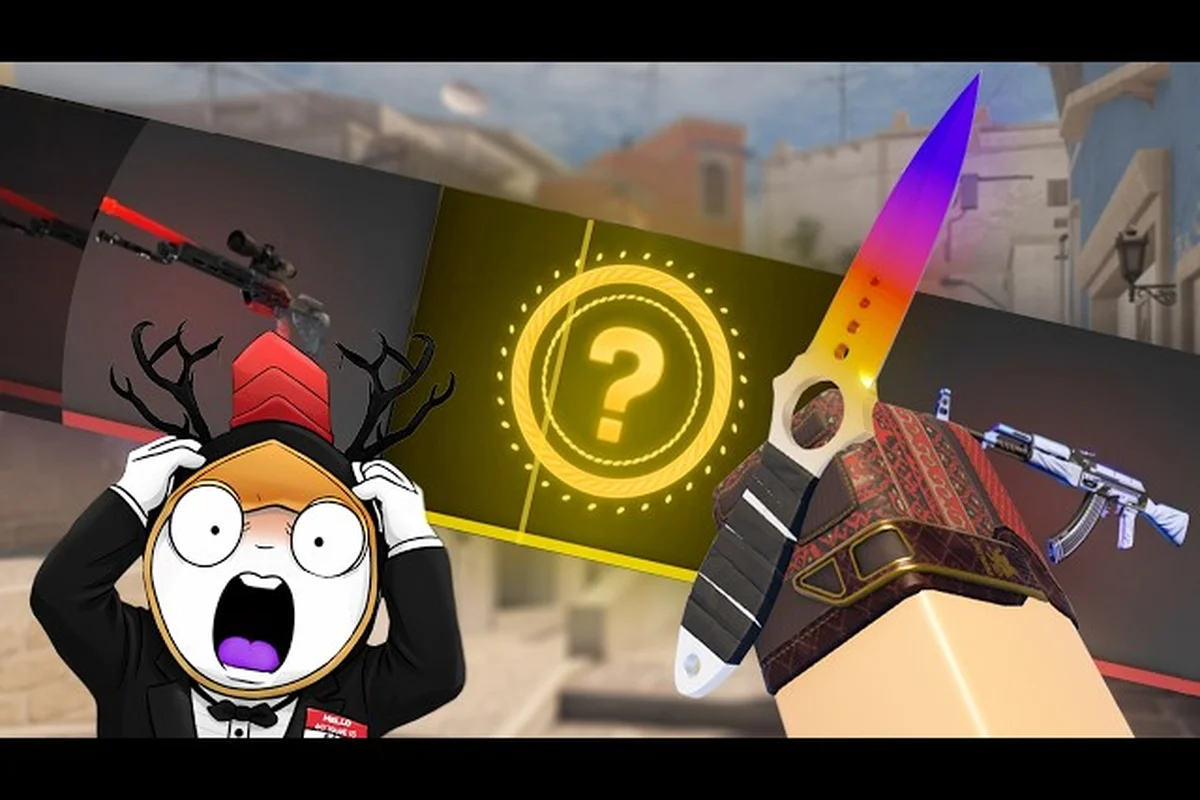
BloxStrike Rarest Skin: Free Drops, Medal TEC-9 & Rates
Hunt the BloxStrike rarest skin with free drop methods, the medal TEC-9, and the case odds that gate every hidden collectible in the game.
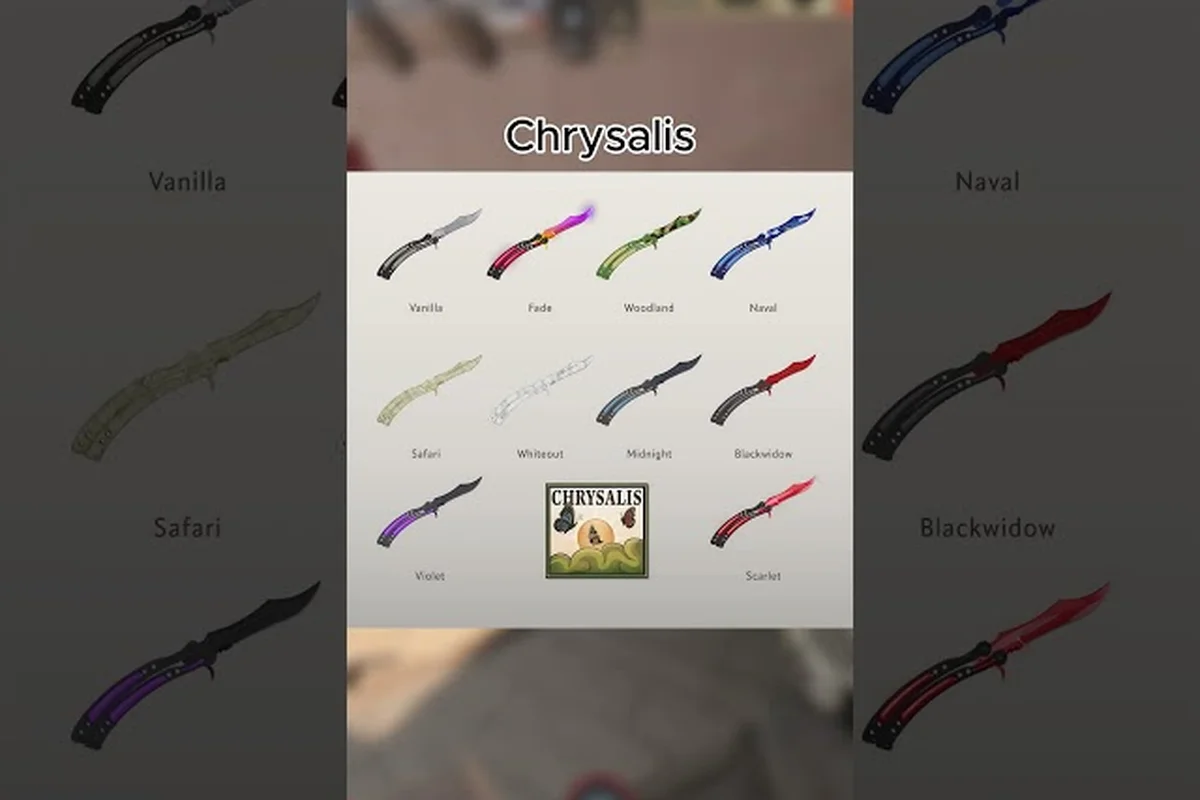
BloxStrike Skin Guide: Rarities, Blue & Gold Drops
Master the BloxStrike skin guide and learn how rarities, blue and gold tiers, and knife drops stack up in the current case economy.
BloxStrike Skin Odds: Drop Rates, Market & Sell Prices
Decode BloxStrike skin odds with battle-scarred versus factory-new rates, sell prices, and the market forces driving every pull.
All Articles
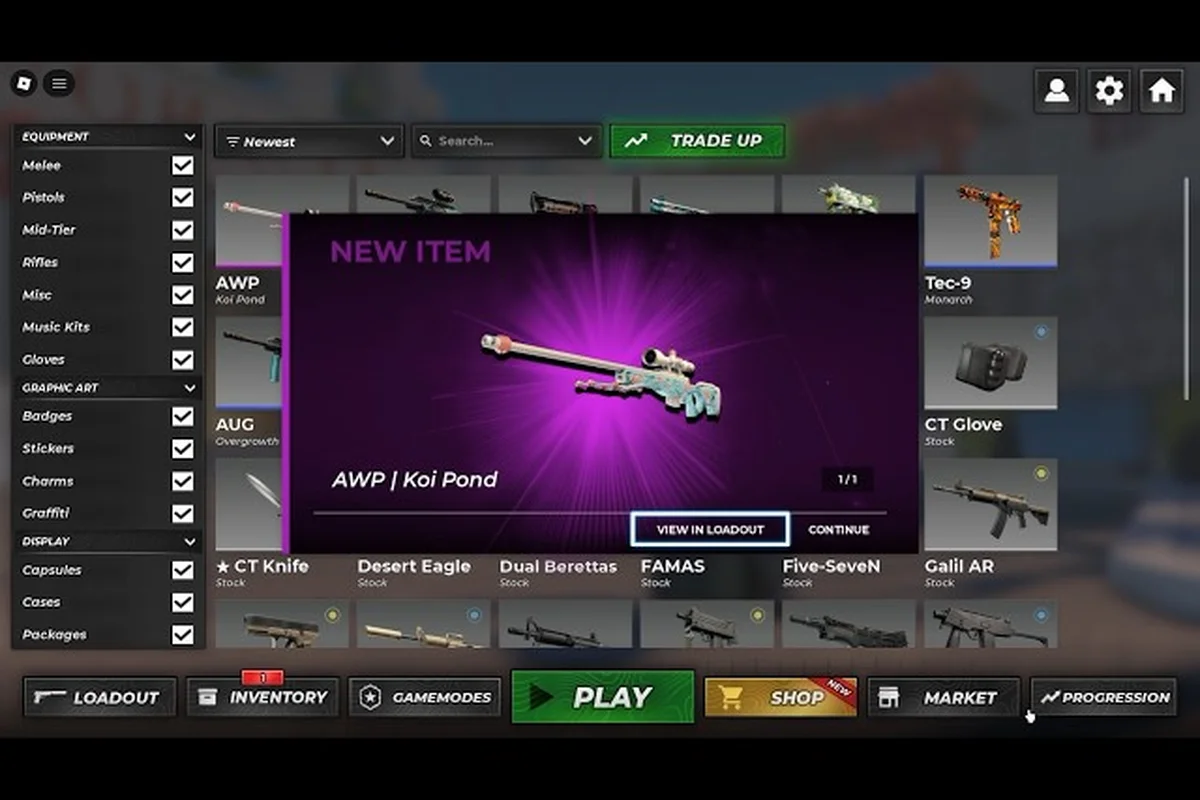
BloxStrike Butterfly Knife: Patterns, Floats & Glove Pairings
Explore the BloxStrike butterfly knife with pattern tiers, float wear ranges, and the sport glove skins that boost its real trade value in 2026.
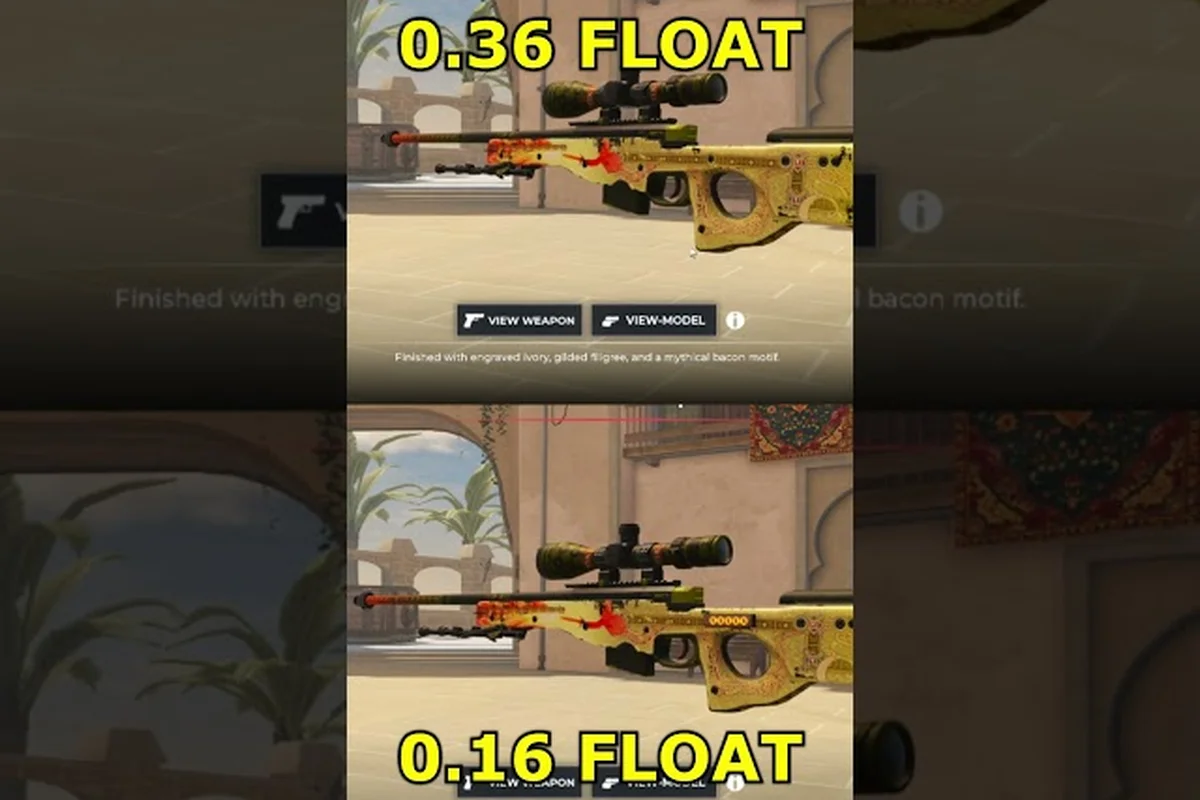
BloxStrike Skin Condition: StatTrak, Finishes & Gloves
Understand BloxStrike skin condition through StatTrak finishes, default gloves, and the wear grades that shift every skin's real value.
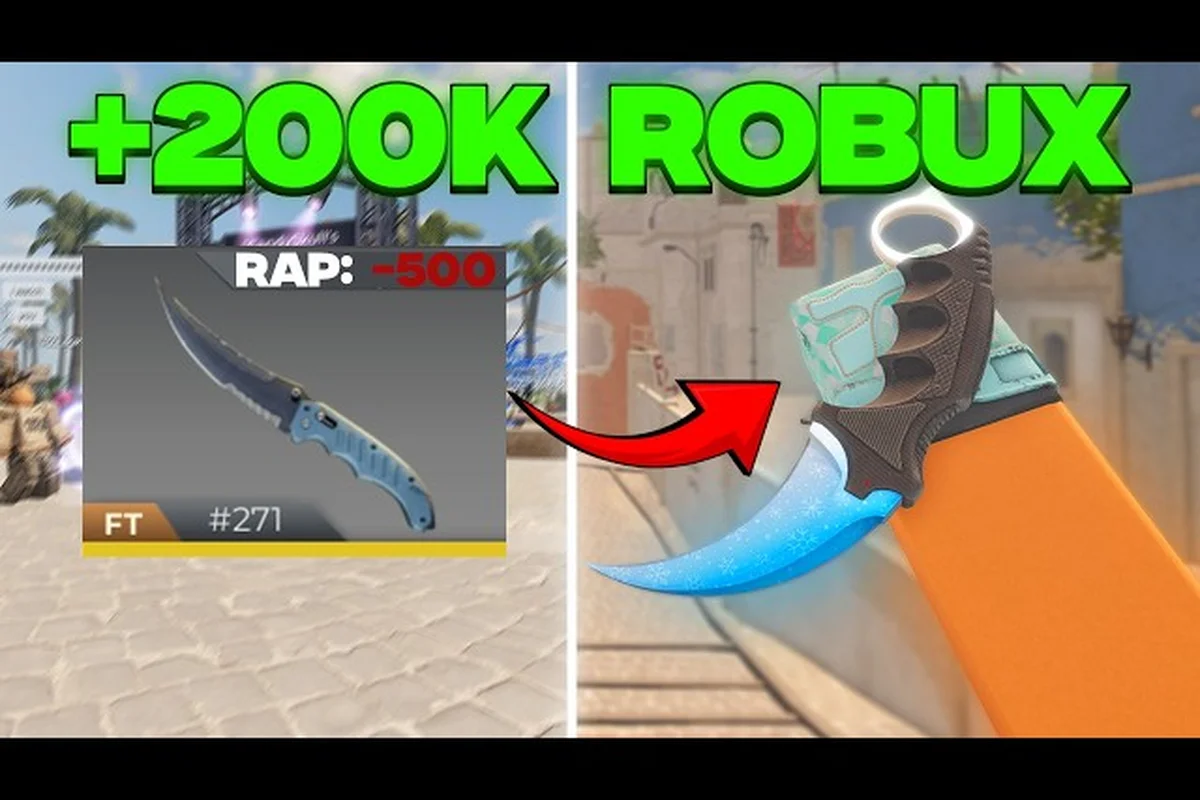
BloxStrike Skin Trade: Prices, Values & Rare Picks
Price out your BloxStrike skin trade with current skin values, market rates, and the rarest drops worth chasing before they spike.
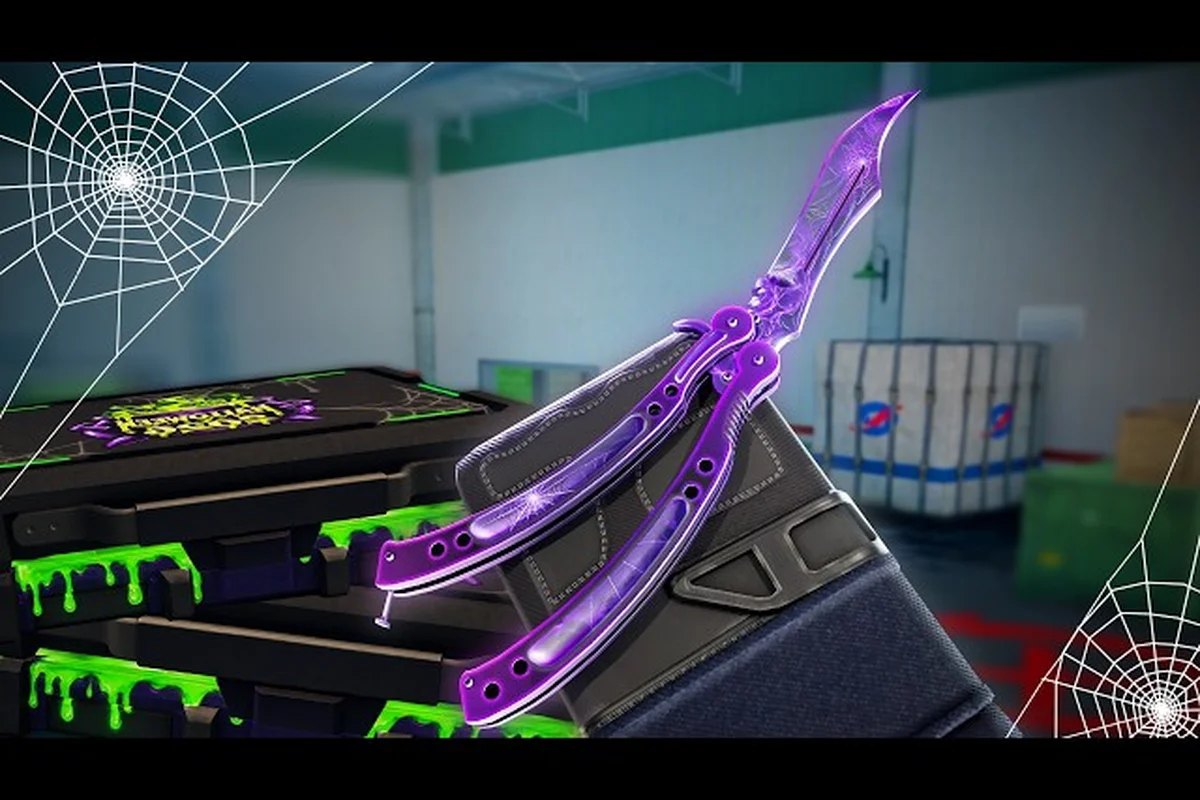
BloxStrike Wear Levels: Float, Apex & Stiletto Values
Map BloxStrike wear levels to float values, skin collections, and apex or stiletto prices so you know what each finish is really worth.